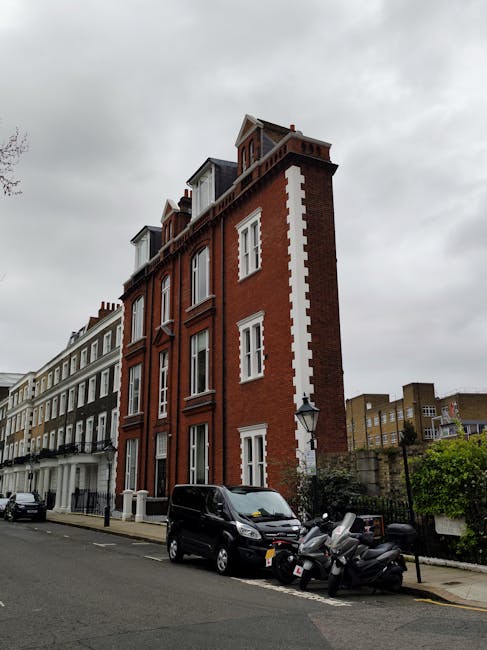
South Kensington SW7 Removals Guide for Narrow Streets
Moving in South Kensington can feel simple on a map and complicated on the pavement. The streets are elegant, sure, but they are also tight, busy, and often lined with parked cars, loading restrictions, and pedestrians who do not want your sofa blocking their way. That is exactly why this South Kensington SW7 removals guide for narrow streets matters. If you are planning a flat move, a house move, or even a quick man and van job, the difference between a smooth day and a stressful one often comes down to the street plan. A little preparation saves a lot of shuffling, waiting, and awkward apologies.
This guide walks you through the practical side of moving in SW7: how narrow roads affect access, what to book, how to prepare, what to avoid, and how to keep your belongings safe. You will also find a checklist, a comparison table, and a realistic example from a typical South Kensington move. Nothing fluffy. Just the sort of advice that helps on the day, when the van is outside, the lift is small, and someone is holding a parking bay with one eye on the clock.
For a broader look at local moving options, you may also find the removals in South Kensington page useful, especially if you are comparing full-service support with a smaller move.
Table of Contents
- Why narrow streets make South Kensington moves trickier
- How moving in SW7 usually works
- Key benefits of planning properly
- Who this guide is for
- Step-by-step moving plan
- Expert tips for better results
- Common mistakes to avoid
- Tools, resources and recommendations
- Law, compliance and best practice
- Options and comparison table
- Real-world example
- Practical checklist
- Conclusion
- Frequently asked questions
Why South Kensington SW7 removals guide for narrow streets Matters
South Kensington has a very specific moving personality. It is central, desirable, and well connected, but many streets were never designed for modern removal vans, double parking, or long loading windows. In practice, that means access can be the main challenge, not the lifting. A move that looks easy in a standard residential area can become frustrating very quickly if the van cannot stop near the building, the street is one-way, or there is barely space to open the tail lift.
Why does this matter so much? Because removals are won and lost in the margins. A short carry from flat to van is faster, safer, and less tiring. A long carry across a busy pavement, a flight of stairs, or a corner with awkward turning space? That is where delays and damage tend to creep in. And nobody enjoys carrying a wardrobe down a street while trying not to clip a wing mirror. Truth be told, it is one of those jobs that looks easier from the pavement than it does from the booking form.
Narrow streets also affect the wider moving picture: parking, timing, crew size, packing choices, and whether you need a removal van, a smaller vehicle, or a man with van in South Kensington service for a lighter load. The local context matters. If your mover understands it, the day usually feels calmer straight away.
How South Kensington SW7 removals guide for narrow streets Works
A successful move in a narrow SW7 street is really a chain of small decisions that all need to line up. First comes the access check. Then the vehicle choice. Then the route to the property. Then the loading approach. It sounds obvious, but this is where a lot of issues are prevented before they start.
In most cases, the process looks like this:
- Assess the property and road access. Is the street narrow, one-way, or regularly congested? Can a van stop close to the entrance?
- Choose the right service. A full house move, a flat move, a student move, or a smaller van job all have different access needs.
- Plan parking and timing. Early starts usually help. Mid-morning in South Kensington can be lively, and not always in a helpful way.
- Prepare items for quick loading. Boxes should be stacked, labelled, and sealed. Loose items make narrow-street loading much slower.
- Use a sensible lifting plan. Larger items may need two people, protective covers, and clear hallway routes.
- Unload with the same care. A tight arrival point at the destination can be just as tricky as the departure address.
If you are moving a full property, the house removals South Kensington service may suit you better than a smaller booking. For flats, especially upper-floor apartments, the flat removals South Kensington option is often the more practical fit.
Most of the work, really, happens before the van arrives. That is the quiet truth of it.
Key Benefits and Practical Advantages
Good planning for narrow streets is not just about avoiding problems. It also gives you real advantages that are easy to feel on moving day. The move becomes more predictable. The team can work faster. Your items are handled less often. And, perhaps best of all, your stress levels stay lower.
Here are the biggest benefits:
- Shorter carrying distances: This reduces time, fatigue, and handling risk.
- Lower chance of damage: Fewer handovers and fewer awkward turns mean safer movement of furniture and boxes.
- Better time control: A clear plan helps the crew stay on schedule, even if traffic is busy.
- More suitable vehicle selection: A well-chosen van avoids wasted space or access problems.
- Less disruption to neighbours: Quick loading matters in streets where everyone is already working around limited space.
There is also a practical benefit that people sometimes miss: a narrow-street move rewards good packing. A box that is sealed properly, labelled clearly, and built to stack will move far more efficiently than a mix of open bags and odd-shaped items. Small thing, big difference.
If you have heavy or awkward items, the right specialist support matters too. For example, piano moves and fragile furniture require a different level of care, so pages like piano removals South Kensington and furniture removals South Kensington are worth looking at if your move includes specialist pieces.
Who This Is For and When It Makes Sense
This guide is for anyone moving in or out of SW7 where the street layout is tight, the property access is awkward, or the load needs careful planning. That includes homeowners, tenants, landlords, students, office teams, and people making short-notice moves. The needs are different, but the access challenge is often the same.
It makes particular sense if:
- your building is on a narrow residential street
- parking near the property is limited or heavily controlled
- your flat is upstairs and the stairwell is compact
- you have a large sofa, bed frame, piano, or heavy wardrobe
- you are moving during a busy weekday or a tight time window
- you need a smaller, more agile vehicle rather than a large lorry
Students moving into shared accommodation often need speed and flexibility rather than a full-scale crew, so student removals in South Kensington can be a smart fit. Office relocations are different again, especially if you need to manage desks, files, and equipment without blocking a shared entrance. In that case, the office removals South Kensington page is a good place to start.
And if your move is tied to buying or selling locally, the timing gets even more important. The local property market and moving schedule can easily overlap, so it helps to read the related guides on buying Kensington real estate and selling houses in Kensington.
Step-by-Step Guidance
Below is a practical way to approach a narrow-street move in South Kensington without turning the day into a puzzle. Keep it simple, keep it early, keep it tidy. That tends to work.
1. Check access before you book
Look at the street on foot if you can. Notice whether cars are usually parked on both sides, whether there are loading restrictions, and whether the pavement is narrow enough to slow the carry. Photos help, but a quick visit gives a far better feel for the reality on the ground.
2. Measure the problem items
Do not assume a sofa will fit just because it fitted in the old flat. Measure long items, tall items, and anything with fixed arms or sharp corners. In older SW7 buildings, the hallway or stairwell can be the real bottleneck, not the front door.
3. Choose the right vehicle size
Smaller vehicles can be much easier in tight streets. A well-loaded van parked properly is usually better than a larger vehicle that blocks the road or cannot manoeuvre comfortably. If in doubt, ask for a recommendation from a removal van South Kensington provider that understands local access issues.
4. Pack for speed and stability
Use sturdy boxes, fill empty spaces where you can, and keep heavier items in smaller boxes. Label boxes by room. That sounds boring, but on the day it saves real time. Also, make sure fragile items are packed with enough padding. In a narrow stairwell, there is less room for error.
5. Reserve a sensible time slot
Morning moves are often easier, especially if you want to avoid the feeling that everyone else in London has decided to deliver, collect, or park at the same moment. Early access often means fewer delays and a cleaner run between property and van.
6. Clear the path inside the property
Hallways, doorways, and landings should be clear before the crew arrives. Put coats, plants, bins, and loose items out of the way. A tidy route reduces risk. It also makes the move feel much less chaotic.
7. Keep essentials separate
Set aside a bag or box with keys, chargers, documents, toiletries, medicines, and a kettle if you are the sort of person who needs tea before they can think straight. Honestly, fair enough.
If you need quick turnaround support, you may also want to look at same day removals in South Kensington. That can help with urgent access windows, though it still works best when the load is already prepared.
Expert Tips for Better Results
Here is where small details start paying off. These are the kinds of things that experienced movers notice early and less experienced movers often discover the hard way.
- Use a loading order. Put the largest and heaviest items in first, then stack boxes by stability rather than just by room.
- Protect corners and door frames. Narrow streets often mean tight entrances too. Blankets, wraps, and corner protection are worth it.
- Think about neighbours. Keep noise down when possible, and avoid leaving shared entrances blocked. A friendly hello helps more than people admit.
- Keep the van close but legal. A slightly longer walk beats a risky stop. Fines and complaints are not a good moving souvenir.
- Plan for one surprise. It might be a parked car, a steep stair, or a sofa that is somehow bigger than last time. Build a little buffer into your day.
One practical tip that often gets overlooked: photograph furniture before disassembly. It sounds obvious now, but after three screws and a lost Allen key, memory gets weirdly unreliable.
If you want a broader overview of how local moving support is structured, the services overview page is helpful. It gives a cleaner picture of the different options before you commit.
Common Mistakes to Avoid
Most moving headaches in South Kensington do not come from one huge failure. They come from small assumptions that turn out to be wrong. To be fair, that is true of most moves anywhere, but narrow streets make the consequences feel sharper.
- Booking the wrong size vehicle. Too big causes access issues; too small causes extra trips.
- Ignoring stair width and turning space. A wardrobe that clears the door can still fail on the landing.
- Leaving packing until the final evening. Last-minute packing usually means weak boxes and poor labelling.
- Forgetting parking or loading restrictions. A van that cannot stop close enough can wreck your timing.
- Not separating fragile items. Glass, artwork, lamps, and electronics need clear handling instructions.
- Underestimating the time needed. A short local move can still take longer than expected if access is awkward.
Another mistake is assuming every removal job needs the same setup. It does not. A one-bedroom flat move, a family house, and a short-notice student move all have different risks and priorities. If you are unsure, ask for advice early. That one conversation can save you a lot of faffing about later.
Tools, Resources and Recommendations
You do not need a warehouse of equipment to move well in SW7, but a few sensible tools make a real difference.
| Tool or Resource | Why It Helps | Best Used For |
|---|---|---|
| Sturdy boxes | Stack better and protect contents | Books, kitchenware, clothes, general packing |
| Furniture blankets | Reduce scratches and impact damage | Sofas, tables, wardrobes, headboards |
| Tape and labels | Speeds up sorting and unloading | All packed rooms |
| Straps and trolleys | Improve handling and safety | Heavy or bulky items |
| Floor and door protection | Helps preserve shared hallways and surfaces | Older flats, tight stairwells, communal buildings |
There is also a good case for using storage if your move dates do not line up neatly. That is quite common in London, where completion dates, key handovers, and tenancy timings do not always cooperate. The storage in South Kensington option can be useful when you need to split the move into stages.
For packing support, the packing and boxes South Kensington page is a practical next step if you would rather not source everything yourself.
Law, Compliance, Standards, or Best Practice
Moving in South Kensington usually means dealing with a mix of practical and procedural rules rather than one single law. The exact requirements depend on the street, the property, and the vehicle. It is always sensible to check local parking rules, loading restrictions, and building access arrangements before the day arrives. That is the safe, boring answer. But it is also the correct one.
Best practice for removals in narrow streets typically includes:
- keeping vehicles parked legally and safely
- avoiding unnecessary obstruction to pedestrians and traffic
- protecting communal areas and shared entrances
- using appropriate lifting methods for heavy items
- making sure equipment is suitable for the load
- planning for insurance and handling responsibility
Insurance matters here. If an item is awkward to move or the access is tight, the chance of a knock or scrape rises a little. That does not mean you should panic; it means you should use a service that takes safety seriously. You can read more on the company's insurance and safety page and the health and safety policy if you want reassurance about process and care.
For payment-related questions, especially when comparing quotes or paying deposits, the payment and security page is also worth checking. Clear terms are part of a trustworthy moving experience, simple as that.
Options, Methods, or Comparison Table
Not every South Kensington move needs the same approach. The right choice depends on load size, urgency, access, and how much help you want on the day.
| Option | Best For | Strengths | Watch Outs |
|---|---|---|---|
| Man and van | Smaller flats, lighter loads, flexible jobs | Agile in narrow streets, cost-effective, quick to arrange | Less suitable for very large or complex moves |
| Full removals team | House moves, larger flats, family relocations | More hands, better for bulky furniture, smoother coordination | Needs more access planning and usually a larger time slot |
| Specialist service | Pianos, antiques, awkward furniture | Extra care and equipment for delicate items | May require earlier booking and more detailed preparation |
| Storage-led move | Staggered dates or renovation gaps | Reduces pressure when timings do not align | Extra handling step, so clear labelling matters even more |
If you are comparing services rather than booking blind, the removal companies South Kensington page can help you understand the wider service landscape. And if you are only moving a few items across town, the man and a van South Kensington option may be all you need.
Case Study or Real-World Example
Picture a typical second-floor flat in SW7. The street is narrow, parking is tight, and the front entrance sits just beyond a line of parked cars. The resident has a sofa, a bed frame, six large boxes, a dining table, and a couple of fragile lamps. Nothing extreme. But enough to make access matter.
Without planning, the day would probably go like this: the van arrives, cannot stop quite close enough, the crew has to carry items farther than expected, and the stairwell becomes the bottleneck. Not disastrous, but slower. A bit sweaty. A bit noisy. A bit annoying.
With planning, the process is cleaner. The resident confirms the property access in advance, keeps the hallway clear, disassembles the bed, labels the fragile boxes, and books a smaller vehicle that can work in the street. The crew loads the bulky items first, protects the furniture, and keeps the carry short. The move is still a move - let's not pretend it becomes glamorous - but it runs faster, with fewer awkward pauses.
That is the real value of good narrow-street planning. It does not remove every difficulty. It just removes the unnecessary ones.
Practical Checklist
Use this checklist the week before moving day. It is simple, but it catches most of the common problems.
- Confirm the moving date and arrival window
- Check whether your street has loading or parking restrictions
- Measure large furniture and stair access
- Choose the correct vehicle size
- Book any specialist support needed for heavy or fragile items
- Gather boxes, tape, covers, and labels
- Pack essentials separately for easy access
- Clear hallways, landings, and entrances
- Tell neighbours if there may be short-term disruption
- Keep keys, documents, and valuables with you
- Review insurance and service terms before the move
If you are still deciding which service suits your situation, a quick look at the pricing and quotes page can help you plan the next step without overcommitting. And if you need a friendly conversation first, the team's contact page is there for exactly that.
Conclusion
Moving in South Kensington SW7 is rarely about brute force. It is about access, timing, and making sensible choices in tight spaces. Narrow streets reward preparation. They reward the right vehicle, the right packing, and a mover who understands local conditions rather than treating every job the same. That is the main lesson here, and it is a useful one.
If you plan carefully, a tricky street becomes manageable. If you skip the planning, even a small move can feel oddly exhausting. So, measure first, pack well, book the right support, and leave a little room for the unexpected. That bit matters more than people think.
Get a free quote today and see how much you can save.
And if you are doing this for a new home, a new lease, or just a cleaner start, take a breath. The move will pass. The kettle will be unpacked. Things settle faster than you expect.
Frequently Asked Questions
What makes removals in South Kensington SW7 difficult?
The main challenge is access. Narrow streets, parked cars, loading restrictions, and compact building entrances can make it harder for vans and crews to work quickly. Planning usually solves most of it.
Should I book a man and van or a full removal team?
If you have a smaller load or a flat move with limited access, a man and van service can work well. For bigger homes, heavy furniture, or more complex moves, a full removals team is often the better fit.
How do I know if my street is too narrow for a larger van?
The safest way is to check the street in person and share details with the mover before booking. Photos, measurements, and notes about parked cars or one-way access all help.
Can movers help with parking or loading advice?
Yes, experienced local movers usually can. They cannot control local restrictions, of course, but they can help you choose the best timing and vehicle setup for the area.
What should I do if my flat is on an upper floor?
Measure stairwells, clear the route, and pack items in a way that makes carrying easier. If the furniture is bulky or heavy, mention that early so the crew can prepare properly.
Is same-day moving possible in SW7?
Sometimes, yes. It depends on availability, the size of the job, and the access requirements. If you need a faster turnaround, look at the same day removals South Kensington option.
Do I need special help for a piano or heavy antique furniture?
Usually, yes. Heavy, delicate, or high-value items are best handled with specialist care and the right equipment. That reduces the risk of damage and makes the lift safer for everyone.
How far in advance should I book my move?
As early as you can, especially if you are moving at month-end, on a weekend, or from a narrow street. Early booking gives you more choice on timing and vehicle size.
Can storage help if my move dates do not line up?
Yes, storage is often useful when completion dates, lease endings, or renovation work do not match neatly. It gives you breathing room and lowers pressure on moving day.
What packing supplies are worth buying first?
Start with sturdy boxes, tape, labels, protective wrap, and furniture covers if you have larger items. Good boxes are worth the money. A box that collapses in a hallway is nobody's friend.
How do I avoid damaging hallways or shared entrances?
Use protective coverings, keep routes clear, and make sure bulky items are carried carefully by enough people. Communal areas in South Kensington buildings can be narrow and easy to scuff, so preparation matters.
Where can I get a quote or speak to someone about my move?
You can request help through the contact page or review the pricing and quotes information first if you want to compare your options quietly before getting in touch.