Royal Borough of Kensington and Chelsea moving permits guide
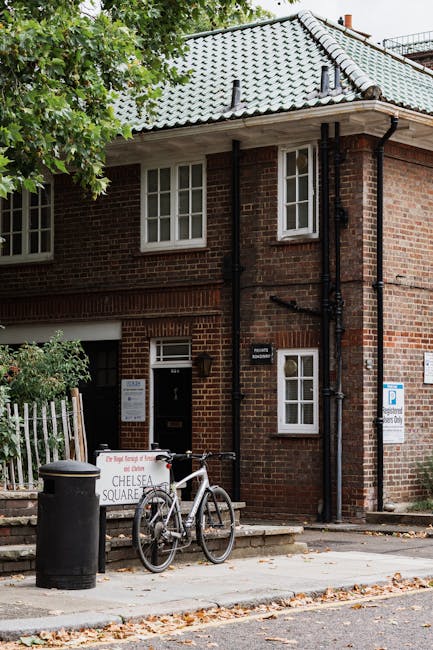
If you are planning a move in west London, the paperwork can feel more annoying than the lifting. The Royal Borough of Kensington and Chelsea moving permits guide below is designed to make that part clearer, calmer, and far less last-minute. In a borough where narrow streets, resident bays, shared access, basement flats, and busy traffic can all complicate a simple loading stop, a bit of planning goes a long way. Truth be told, the biggest problems usually come from small oversights: a van arriving at the wrong time, a bay being used without checking, or a move that needs more room than the street can realistically give.
This article walks through what moving permits are, why they matter, how they usually fit into a Kensington and Chelsea move, and how to avoid the common headaches. You will also find a practical checklist, a comparison table, and a realistic example based on the sort of move people often face in South Kensington, Chelsea, Earl's Court, or nearby streets where space disappears fast.
Why Royal Borough of Kensington and Chelsea moving permits guide Matters
Moving in Kensington and Chelsea is rarely as simple as turning up, unloading, and driving away. The borough is dense, highly residential, and full of roads where parking space is precious. If you do not plan properly, your removal vehicle may end up circling, double parking, or stopping too far from the property. That can create delays, extra labour, and a lot of unnecessary stress for everyone involved.
Moving permits matter because they help your move fit the local road environment rather than fighting against it. In practical terms, that means understanding where the van can stop, whether waiting restrictions apply, whether a bay is needed, and how long loading or unloading is likely to take. Even if a permit is not always needed, the question itself is important. Ask it early. It saves time later.
There is also a wider point here. A smooth move is not just about convenience; it is about keeping things safe and orderly. If removal teams have enough space to work, bulky furniture is less likely to get knocked, entrances stay clearer, and the whole job feels less rushed. That matters whether you are moving a one-bed flat or a full family home.
Practical summary: in Kensington and Chelsea, moving well usually means planning parking, timing, access, and lift space before moving day arrives. The permit question is one part of that bigger picture.
How Royal Borough of Kensington and Chelsea moving permits guide Works
At a high level, a moving permit or parking arrangement exists to give your vehicle a lawful place to stop while items are loaded or unloaded. But the exact need depends on the property, the street, the type of bay, the time of day, and local parking controls. That is why two moves on the same road can still need different arrangements.
In many cases, the moving process starts with a simple assessment:
- Is there a legal loading space close enough to the property?
- Is the street controlled by resident parking, pay-and-display bays, or waiting restrictions?
- Will the van need to stop on a single yellow line, in a loading bay, or in a suspended bay area?
- How much time will the job realistically take?
- Will the building access require special coordination, such as a concierge, lift booking, or timed entry?
The real-world answer is often a mix of parking and logistics rather than a single permit question. That is especially true for flats, mansion blocks, mews properties, and narrow residential streets. If you are using a man and van service or arranging a larger vehicle through moving truck support, the vehicle size can affect what is practical at the kerbside.
To be fair, the best move plans are rarely the most complicated ones. They are the ones where someone has asked the boring questions early: where does the van sit, how long can it stay, and what happens if the street is unexpectedly busy at 8:30 in the morning?
Key Benefits and Practical Advantages
Getting the parking and permit side right does more than avoid tickets. It makes the whole move feel more controlled. And in a borough like Kensington and Chelsea, that calm matters more than people expect.
- Fewer delays: the crew can get on with the job instead of searching for a workable space.
- Less manual carrying: when the van is closer, heavy items spend less time on pavements, stairs, and hallways.
- Lower risk of damage: fewer long carries usually means less bumping, scraping, and awkward manoeuvring.
- Better timing: if access is planned properly, you are less likely to overrun the day.
- Less neighbour friction: nobody enjoys a blocked entrance, especially in a tight street.
There is also a commercial advantage if you are moving a business. A tidy loading plan helps staff stay productive and minimises disruption. If the move is office-related, it may be worth looking at office removals or commercial moves support so the logistics are handled in a more structured way.
And if you have items that do not need to travel right away, storage can buy you breathing space. A short-term plan is often the difference between a frantic afternoon and a move that actually lands well. It is a small mercy, honestly.
Who This Is For and When It Makes Sense
This guide is relevant to anyone moving to, from, or within the Royal Borough of Kensington and Chelsea. That includes homeowners, tenants, landlords, students, office managers, and people clearing a property after a sale or renovation.
You are especially likely to need a permit or parking arrangement if you are:
- moving from a flat with shared or restricted access
- using a street with resident-only parking or timed restrictions
- working with a larger removal vehicle
- moving during a busy weekday period
- handling bulky furniture, appliances, or fragile items
- moving in a conservation area or a street with limited stopping space
Students moving in and out of compact accommodation may think permits are only a "big move" issue, but that is not really true. A small move can still be awkward if the vehicle cannot stop safely outside. If that sounds familiar, a service such as student removals can be helpful because the logistics are often simpler when someone knows what they are doing.
The same goes for people moving into a flat. If stairs are tight, lifts are small, or access is fussy, flat removals can save a lot of back-and-forth. It is one of those jobs where the street layout is almost as important as the boxes themselves.
Step-by-Step Guidance
Here is a practical way to approach the permit side of a move without getting lost in the weeds.
- Check the property access first. Look at the road, pavement width, doorway position, and whether the van can reasonably stop close enough for loading.
- Identify parking restrictions. Resident bays, loading bays, yellow lines, and suspensions all change what is possible.
- Estimate how long the loading and unloading will take. Be realistic. Most people underestimate this, especially on a first floor flat or a property with stairs.
- Decide what vehicle size fits the job. A smaller vehicle may be easier to place, while a larger one may reduce trips. There is no universal winner.
- Book the right moving support. If you need help with loading, driving, or carrying, compare the options between removal van, man with a van, and more full-service removals support.
- Confirm building rules. Flats and managed buildings often have time windows, lift bookings, or service entrance requirements.
- Prepare the paperwork and contacts. Keep booking confirmations, any parking instructions, and property contact details together.
- Build in a margin. Traffic, lift delays, and missing keys can all add time. A little slack is sensible.
If you are unsure whether a permit is needed, it is usually better to ask before moving day rather than hoping for the best. Hope is not a parking strategy. Lovely sentiment, poor logistics.
Expert Tips for Better Results
After years of planning local moves, a few patterns show up again and again. The moves that go best are not always the biggest or the most expensive; they are the ones with tidy details.
- Measure your largest items. Sofas, wardrobes, bed bases, and pianos can change the vehicle plan very quickly.
- Label boxes by room and priority. It helps when the first thing you need is buried under kettle cables and winter coats.
- Keep one "first night" bag separate. Think chargers, medication, toiletries, tea, kettle, and a change of clothes.
- Book access time, not just moving time. If the lift is reserved for 11:00, do not plan the van to arrive at 11:00 and hope for instant loading.
- Use storage when the timeline is split. If your sale, tenancy, or office handover dates do not align, storage can make the whole thing much easier.
- Choose the right support level. Some jobs only need a driver and vehicle. Others are smoother with packing help through packing and boxes or packing and unpacking services.
A useful habit is to walk the route from the van to the front door before the move begins. It sounds simple, almost too simple, but it shows you where the tight turns, low steps, and awkward corners are. That little five-minute walk can save a very long hour later.
Common Mistakes to Avoid
Most moving problems are predictable. The trick is spotting them before they become expensive or annoying.
- Leaving parking planning until the day before. By then, you have very little room to adjust.
- Assuming any space will do. A van might fit physically but still be wrong for the restriction in place.
- Forgetting building rules. Concierge desks, lifts, and service entrances often have strict timing.
- Underestimating bulky items. One oversized wardrobe can change the whole move.
- Booking the wrong kind of help. If you need a full team, choosing only a basic van service can leave you stretched.
- Not leaving contingency time. A late previous job or traffic on a narrow street can set the day back fast.
Another common slip is focusing only on the destination. In Kensington and Chelsea, the departure address can be just as difficult as the arrival point. Narrow mews, one-way streets, and limited stopping areas are part of everyday life here, so the old "it'll be fine" approach can be a bit optimistic.
Tools, Resources and Recommendations
You do not need fancy software to manage a move well, but a simple toolkit helps. Keep things straightforward and visible.
- Pen and paper checklist: still one of the best moving tools around, no app needed.
- Phone calendar reminders: for lift bookings, parking windows, and key collection times.
- Floor plan or room list: especially helpful if items are going into storage, temporary accommodation, or a mixed-use property.
- Box labels and coloured tape: a low-tech win that makes unloading faster.
- Quote comparison: make sure you know what is included before choosing a provider. You can review pricing and quotes information to understand how moving costs are usually presented.
- Insurance awareness: if you are moving anything valuable, fragile, or awkward, read the insurance and safety information carefully.
If you are moving from a house rather than a flat, the planning still matters, just in a different way. A larger property often means more trips, more packing, and more coordination. In those cases, house removals or help from house removalists can keep the day moving at a sane pace.
For furniture that will not fit, does not suit the new place, or needs to go elsewhere first, furniture removals and furniture pick up are useful supporting options. Small details, big difference.
Law, Compliance, Standards, or Best Practice
When people talk about permits, they are often really talking about compliance with local parking and loading rules. The exact requirements depend on the street and the borough's controls, so it is wise to treat moving-day parking as a compliance issue, not a guess.
Best practice is simple:
- check whether stopping or loading is allowed where the vehicle will sit
- make sure any parking arrangement is valid for the time and location
- avoid blocking entrances, crossings, dropped kerbs, or emergency access
- keep communication clear between the movers, the property contact, and anyone handling keys or lift access
If you are moving commercially, the standard of planning should be even higher. Businesses often have tighter deadlines, more people affected, and less tolerance for disruption. A clear schedule, careful access planning, and a sensible vehicle choice are all part of good practice, not just good customer service.
It is also worth remembering that safety and legality go together. A move that looks quick but forces unsafe lifting or poor roadside stopping is not actually efficient. It just feels efficient until something goes wrong.
Options, Methods, or Comparison Table
Different moves call for different approaches. Here is a simple comparison to help you think it through.
| Option | Best for | Strengths | Trade-offs |
|---|---|---|---|
| Man and van | Smaller flats, short local moves, lighter loads | Flexible, practical, often easier to place on tight streets | May need more hands-on loading coordination |
| Removal van | Standard household moves with moderate volume | Good balance of space and manoeuvrability | Still needs careful parking planning in restricted streets |
| Moving truck | Larger homes, heavier contents, consolidated loads | More capacity, fewer trips | Harder to position in compact Kensington and Chelsea roads |
| Full removals service | Complex moves, families, offices, fragile or bulky items | More support, less stress, better for detailed planning | Usually requires more coordination in advance |
If your move includes a piano, the parking and access side becomes even more important because you need space, timing, and careful handling working together. In that case, piano removals is the kind of specialist support that can prevent a lot of grim faces and silent panic.
Case Study or Real-World Example
Picture a two-bedroom flat move near South Kensington on a weekday morning. The property is on a fairly narrow road, the lift is shared, and the occupants have a lot more boxes than they expected because, well, life has a habit of multiplying cables, books, and kitchenware. The removal team arrives on time, but the street already has a few parked vehicles and the nearest sensible stopping point is not directly outside the building.
The move still goes ahead, but only because the plan was made early. The team has already checked the access route, the vehicle size is suitable, and the loading window has been allowed for. The clients have kept the essential items separate, the building manager knows the time, and the most awkward furniture has been measured in advance. Not perfect. But smooth enough.
Now compare that with a move where nobody checked the stopping rules, the van is too large for the road, and the lift is booked for a different time. That second version is where delays start to stack up. One small issue turns into three. It happens all the time, honestly.
The lesson is not that every Kensington and Chelsea move needs heroic planning. It is that local access can be the deciding factor, even when the packing is done well. Sort the road, and the rest usually behaves itself a bit better.
Practical Checklist
Use this checklist in the days before your move. Print it, copy it into your notes, scribble on the back of an envelope. Whatever works.
- Confirm the move date and arrival time.
- Check whether the vehicle can stop legally near the property.
- Review loading, waiting, and access restrictions.
- Measure large furniture and awkward items.
- Book lift access or building time slots if needed.
- Decide whether you need help with packing, lifting, or unpacking.
- Separate essentials for the first 24 hours.
- Arrange storage if the move-in and move-out dates do not match.
- Keep keys, contacts, and confirmation details in one place.
- Double-check that the removal vehicle type suits the street layout.
If the move is happening quickly, you may also benefit from same day removals. That can be a relief when dates shift at the last minute, though it still needs sensible planning. Fast does not mean careless.
Get a free quote today and see how much you can save.
Conclusion
The permit and parking side of a move in Kensington and Chelsea can feel fiddly, but it is manageable once you treat it as part of the move rather than an afterthought. That is really the heart of this guide. A good move is not just boxes, tape, and muscle; it is timing, access, parking, and a few practical decisions made early enough to matter.
If you plan ahead, choose the right vehicle, and match the service to the property, you reduce stress and make the day feel far more under control. And if you are dealing with a complicated flat, a busy office, or a move with awkward access, a bit of expert help is worth its weight in cardboard. On the day, that calm matters. You feel it immediately.
So yes, do the permit checks. Do the measuring. Do the boring bits. They are what make the rest of it work.
Frequently Asked Questions
Do I need a moving permit in the Royal Borough of Kensington and Chelsea?
Sometimes, but not always. It depends on where the vehicle will stop, what parking controls are in place, and how long the move will take. The key is to check the exact street situation before moving day.
How early should I check parking for my move?
As early as you can. A few days is better than the night before, and earlier is even better for complex roads, flats, or office moves. Last-minute parking planning is where avoidable stress starts.
What happens if the van cannot park outside my property?
The crew may need to stop farther away, which can increase carrying time and make the move slower. In a busy borough, that can affect the whole schedule, especially if you have stairs or heavy furniture.
Is a man and van service suitable for Kensington and Chelsea streets?
Often yes, especially for smaller or medium-sized moves. A smaller vehicle can be easier to position on tight streets, but the right choice still depends on the load and access. If the move is larger, a fuller service may be better.
What if I am moving from a flat with a lift?
That helps, but it does not remove the need to plan. Lift booking times, building rules, and parking still matter. A lift can save effort, though, which is always welcome on moving day.
Can I combine packing help with moving support?
Yes, and for many people that is the smartest route. Services like packing and boxes or packing and unpacking services can take a lot of pressure off the day itself.
How do I decide between a removal van and a moving truck?
Think about volume, access, and street size. A moving truck gives you more capacity, but a removal van is often easier to position in a narrow street. There is no one-size-fits-all answer, which is a bit annoying, but true.
What should I do if my dates do not line up?
Storage can bridge the gap. It is particularly useful when completion dates change or when a property is not ready at the same time as your move-out. That kind of mismatch happens more often than people expect.
Are office moves different from home moves in this borough?
Yes. Office moves usually need stricter timing, more coordination, and lower disruption. Commercial moves and office removals are usually planned with a sharper eye on access and deadlines.
Do I need to measure furniture before booking?
Absolutely. Large items can affect vehicle choice, access planning, and the time required. A quick tape measure check can prevent a surprisingly annoying problem later.
What is the biggest mistake people make with moving permits?
They assume the parking part will sort itself out on the day. In a borough like Kensington and Chelsea, that assumption is risky. The road environment is often the real bottleneck.
Where can I find more information about the company's approach to safety and trust?
You can review the company's health and safety policy, insurance and safety information, terms and conditions, and about us page to understand how it works in practice. Those details matter, especially if you are moving valuable or fragile items.