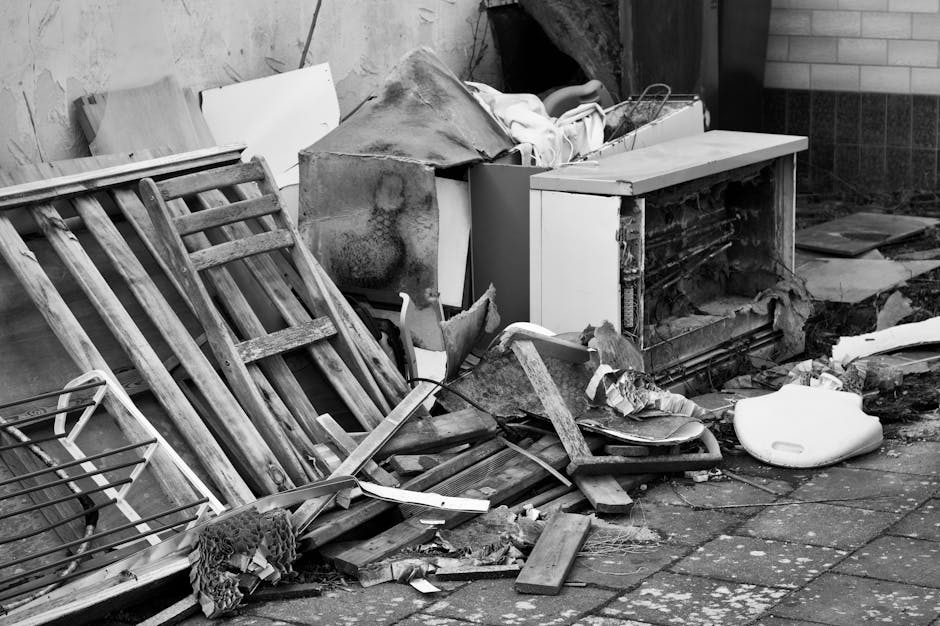
How RBKC Bulky Waste Rules Affect Furniture Removals Kensington
If you are arranging a furniture clearance or a house move in Kensington, RBKC bulky waste rules can change the whole shape of the job. One missed collection slot, one item left on the pavement too early, or one bulky sofa that is not ready for uplift can create delay, extra handling, and a fair bit of stress. The good news? Once you understand how the rules work, furniture removals become much easier to plan, and usually cheaper to carry out as well.
This guide explains how RBKC bulky waste rules affect furniture removals Kensington in plain English. We will look at what counts as bulky waste, what tends to trip people up, how removal teams usually work around council collection rules, and when it makes sense to book a professional furniture removal instead of trying to manage it alone. There is a lot to think about, truth be told, but it does not need to feel messy.
Table of Contents
- Why RBKC bulky waste rules matter for furniture removals in Kensington
- How the process works in practice
- Key benefits and practical advantages
- Who this is for and when it makes sense
- Step-by-step guidance
- Expert tips for better results
- Common mistakes to avoid
- Tools, resources and recommendations
- Law, compliance, standards and best practice
- Options, methods and comparison table
- Case study or real-world example
- Practical checklist
- Conclusion
- Frequently asked questions
Why RBKC Bulky Waste Rules Matter for Furniture Removals in Kensington
Furniture removals in Kensington are rarely as simple as lifting an old wardrobe and driving away. In a borough like RBKC, bulky waste rules influence when items can be removed, how they should be presented, what may be accepted by council collection, and whether a removal team can leave items in a public place while waiting for transport. That matters because the wrong disposal plan can slow the move down or make the whole thing more expensive.
There is also a practical side to this. Kensington homes often involve tight staircases, controlled parking, access restrictions, shared entrances, and neighbours who are not thrilled by a sofa blocking the pavement at 7 a.m. So even before the vehicle turns up, the bulky waste question can affect timing, labour, and the route through the building. It is a small detail, but a stubborn one.
For many households, bulky waste rules sit right at the crossroads between a move and a clearance. Maybe the dining table is going to storage, the mattress needs disposal, and two armchairs are being donated or taken away with the rest of the furniture. If you do not separate those decisions early, furniture removals can turn into a last-minute scramble. And nobody wants that on moving day.
Expert takeaway: The sooner you decide which furniture is being kept, moved, sold, donated, stored, or discarded, the easier it is to stay on the right side of RBKC bulky waste rules and avoid wasted vehicle time.
That is also why local knowledge matters. A good removal plan in Kensington is not just about carrying things safely. It is about aligning the move with access, parking, waste handling, and sensible scheduling. In our experience, the jobs that run smoothly are usually the ones where the bulky waste question was settled first, not last.
How RBKC Bulky Waste Rules Affect Furniture Removals Kensington Works
At a practical level, RBKC bulky waste rules affect furniture removals Kensington in three ways: collection, presentation, and responsibility. If council collection is part of the plan, you need to understand what is accepted, how it should be prepared, and whether you need to book in advance. If a removal company is taking the items away, you still need to know whether those items are for reuse, recycling, storage, or disposal. Same sofa, very different route.
Bulky waste usually means large household items that will not go in a regular bin. Think wardrobes, tables, beds, sofas, cabinets, office chairs, and similar pieces. But the exact handling depends on condition and material. A solid wooden table may be reusable. A damaged mattress may need disposal. A bookcase with loose fittings might need dismantling before it can be moved safely. Small differences, big consequences.
In Kensington, that means removal crews often work in one of four ways:
- Move everything out for reuse or resale where the items are still in good condition.
- Separate keep, donate, store, and dispose so nothing gets mixed up in the rush.
- Handle council-facing bulky waste carefully if you are using a local collection arrangement.
- Load directly to a removal vehicle so items do not sit outside and cause access or nuisance issues.
The part people underestimate is the timing. Council waste collections, removal bookings, and property handovers do not always line up neatly. If you are leaving a flat and the council collection is scheduled too late, you may need temporary storage. If it is scheduled too early, you could be stuck with empty rooms and nowhere to sit. Not ideal, obviously.
This is where a flexible service such as furniture removals or furniture pick-up can help, especially when you want one team to remove, load, and transport items in a single visit. For larger moves, services like man and van or removal services often give you the flexibility to work around building access and timed collection windows.
Key Benefits and Practical Advantages
Getting the bulky waste side right does more than keep you compliant. It can genuinely improve the whole move.
- Less double-handling: Items do not need to be moved twice because they were put aside incorrectly.
- Cleaner access routes: Hallways, communal areas, and front steps stay clearer.
- Faster loading: The team spends less time sorting and more time moving.
- Lower risk of missed items: You are less likely to leave behind a drawer unit or mattress by mistake.
- Better recycling outcomes: Furniture suitable for reuse can be separated from waste.
- Less neighbour friction: No one enjoys a pile of broken furniture hanging around outside.
There is also a cost benefit. If the move team knows exactly which furniture is being removed and which items are bulky waste for disposal, they can plan vehicle size, manpower, and time more accurately. That can be especially useful in Kensington, where parking, access, and lift usage are often part of the equation.
Another advantage is peace of mind. A lot of moving-day pressure comes from uncertainty. Will the old sofa fit through the stairwell? Can the bed frame be dismantled quickly? Is the cupboard going to storage or disposal? Once those questions are answered, the day feels much more manageable. Honestly, that alone is worth a lot.
Who This Is For and When It Makes Sense
This topic matters to a wide range of people, not just homeowners with a spare sofa to get rid of. If you are in Kensington and any of the following sound familiar, RBKC bulky waste rules are probably relevant to your move:
- You are moving out of a flat and want to discard old furniture.
- You are replacing sofas, beds, wardrobes, or office furniture.
- You are downsizing and cannot take everything with you.
- You are dealing with landlord requirements before checkout.
- You are arranging a same-day clearance after a sale completion.
- You run a small office and need furniture removed without disrupting business.
It also makes sense when you are unsure whether an item is worth moving at all. A worn dining table might technically be movable, but if the cost of lifting it up and down narrow stairs is close to the cost of replacement, you may decide to dispose of it instead. That is not wasteful thinking; it is practical decision-making.
People in smaller properties often need this guidance most. Kensington flats can be compact, with awkward turns, shared entry points, and limited storage for bulky pieces between move stages. If you need a more flexible option, a flat removals service is often easier to coordinate than a one-size-fits-all move. For larger household moves, house removals or home moves can be better suited to mixed loads and multiple furniture types.
Step-by-Step Guidance
Here is a clear way to plan furniture removals when RBKC bulky waste rules are part of the picture.
- List every large item. Walk through each room and write down what stays, what goes, what is donated, and what must be disposed of.
- Check the condition of each item. Reusable furniture is handled differently from broken, damp, or unsafe pieces.
- Measure access points. Doorways, staircases, lifts, and tight corners matter more than people expect.
- Decide on the disposal route early. Council collection, removal vehicle, storage, donation, or recycling each need a different plan.
- Book the right service. If you only need a few items moved, a smaller vehicle may work. If there is a full room of furniture, a larger team may be smarter.
- Prepare items for handling. Remove drawers, empty shelves, unplug appliances if they are part of the load, and dismantle bulky pieces where sensible.
- Stage items safely. Keep walkways clear and avoid placing waste where it blocks neighbours or the public highway.
- Confirm timing. Make sure the removal slot, property access, and any council collection arrangements do not clash.
If you are taking apart beds, wardrobes, or shelving, do it before the truck arrives if possible. Waiting until the team is on site can add time. And time, in a London move, is never just time. It is lift bookings, parking, and a small amount of stress, too.
For customers who need packing support as well, services like packing and boxes or packing and unpacking services can keep fragile items separate from bulky furniture so the job stays organised from the start.
Expert Tips for Better Results
A few local habits make a big difference in Kensington. These are the kind of details people usually learn the hard way, so it is worth saying them plainly.
- Keep a "don't move" pile separate from the start. That avoids accidental loading of items that were meant for disposal or storage.
- Photograph large items before removal. Useful for landlords, insurance records, or if you later need to confirm condition.
- Protect communal areas. A blanket, runner, or careful lift plan can save walls and corners from scuffs.
- Leave a little breathing space. Tight jobs feel tighter once the van arrives.
- Use storage when decisions are not final. If you are not sure about a sideboard or desk, temporary storage is often the calmer choice.
It is also smart to think about the order of operations. If the bed frame is going, take it apart first. If the wardrobe has mirrors or glass inserts, remove those before moving anything else. If you have mixed loads, keep fragile items away from the heavy stuff. Simple? Yes. Always followed? Not quite.
For many clients, a professional man with a van arrangement works well for smaller clearances, while larger or more complex jobs may suit a bigger vehicle such as a moving truck or a more structured removal van. Choosing the right vehicle matters more than it sounds.
Common Mistakes to Avoid
Most problems come from a handful of predictable mistakes. The trick is spotting them before they create a bottleneck.
- Leaving bulky waste until moving day: It piles pressure on the team and can throw off the schedule.
- Assuming every item can be left out for collection: Council handling rules may differ depending on item type and presentation.
- Not checking access restrictions: A beautiful plan means little if the vehicle cannot stop nearby.
- Forgetting about storage gaps: If one property ends before the next begins, items need a temporary home.
- Mixing reusable and disposable items: This can waste both recycling potential and time.
- Underestimating dismantling work: Big furniture often takes longer to prepare than to carry.
A subtle but common issue is paperwork. People remember the sofa and forget the inventory, the landlord check-out, or the building instructions. Then everyone is standing around with a mattress in the doorway wondering whose turn it was to call the lift. Not fun. A simple written plan helps avoid that.
Tools, Resources and Recommendations
You do not need a complicated toolkit to manage furniture removals properly, but a few basic items make life easier:
- Measuring tape: for doors, stairs, and furniture dimensions.
- Screwdrivers and Allen keys: for dismantling beds and flat-pack furniture.
- Labels or masking tape: to mark items for keep, donate, move, or dispose.
- Protective blankets: to stop dents and scratches.
- Strong bags or boxes: for screws, fittings, and loose components.
- Inventory list: useful for larger house or office moves.
If you are moving more than a few items, it is wise to use a removal company that can adapt to the practical realities of Kensington streets and buildings. The broader removals service may be a better fit when there are several rooms of furniture, while removal companies can help when you want a more coordinated approach to access, loading, and disposal.
For items you are not ready to dispose of yet, storage is often the most sensible bridge between old home and new one. It buys time. Sometimes that is exactly what you need.
Law, Compliance, Standards and Best Practice
When furniture removals intersect with bulky waste, the important thing is to stay aligned with local waste-handling expectations and ordinary UK moving best practice. That means not blocking pavements, not dumping items in common areas without permission, and not assuming that an item left outside is automatically someone else's problem. In rented homes, leasehold flats, or managed buildings, there may also be property rules about where items can be staged and when access is allowed.
Best practice is usually straightforward:
- Check the building rules before placing anything in shared spaces.
- Keep public walkways clear.
- Separate reusable furniture from waste where possible.
- Use appropriate lifting methods and enough people for heavy items.
- Confirm whether a council collection or private removal is the better route.
There are also safety standards to keep in mind. Heavy furniture can damage floors, pinch fingers, or tip if it is carried badly. This is one reason a professional team with a clear health and safety policy and sensible handling procedures is worth considering. If you want extra reassurance around transport, handling, and liability, it helps to review insurance and safety before booking.
For environmentally conscious customers, the question is not just "can this be moved?" but "should this be reused, repaired, recycled, or disposed of?" That mindset fits well with a recycling and sustainability approach, especially when you want a cleaner outcome rather than a quick one.
Options, Methods and Comparison Table
There is more than one way to deal with furniture removals under RBKC bulky waste rules. The right choice depends on the item, the timing, and how much hassle you want to avoid.
| Option | Best for | Pros | Watch-outs |
|---|---|---|---|
| Council bulky waste collection | Single items or small amounts of waste | Simple if you meet the collection criteria | Timing can be fixed; not ideal for urgent moves |
| Private furniture removal | Mixed loads, multiple rooms, awkward access | Flexible, quicker, tailored to your property | Needs clear instructions and accurate item lists |
| Storage first, decide later | Uncertain items or gap between properties | Buys time and avoids rushed decisions | Adds a second step and extra cost |
| Re-use or donation route | Furniture in decent condition | Good for sustainability and clearance speed | Items still need transport and coordination |
For a lot of Kensington households, the private removal route is the most practical because it handles access, timing, and bulky waste decisions together. If the job is a full home move, it may be worth combining furniture removal with house removalists or a more complete home moves package. If you are moving between compact flats, the more focused flat removals route can be easier to coordinate.
Case Study or Real-World Example
Picture a typical Kensington flat move. A couple is leaving a third-floor apartment with a sofa, bed frame, chest of drawers, desk, and a dining set. The sofa is too large for the new property, the bed is damaged, and the rest is mixed: some items are going with them, one table is going into storage, and two chairs are being given away.
At first glance, this sounds simple. Then the details show up. The lift is small. The stairwell is narrow. The building manager wants a clear loading window. The council waste plan does not line up neatly with the move date. Suddenly, the job needs sequencing.
The sensible approach here is to separate the load into three streams: move, store, and dispose. The removal team measures the sofa and decides it will be taken out in one piece only if the access works; otherwise it is dismantled. The bed frame is broken down early. The dining set is wrapped and placed for transport. The chairs, because they are still usable, are left out of the waste pile and instead routed for re-use. Nothing exotic. Just organised.
That kind of split planning is where furniture removals become much smoother. The team is not guessing on the day, and the customer is not trying to negotiate with a hallway full of furniture at the last minute. A small win, but a real one.
Practical Checklist
Use this before removal day:
- Make a room-by-room furniture list.
- Mark each item as keep, move, store, donate, or dispose.
- Check access routes, stairs, lifts, and parking.
- Measure larger items and doorways.
- Dismantle furniture where safe and practical.
- Keep fittings, screws, and small parts in labelled bags.
- Confirm timing for any council collection or building access.
- Protect floors and walls in tight spaces.
- Separate reusable items from true bulky waste.
- Choose the right removal vehicle and team size.
- Have contact details and instructions ready on the day.
- Review whether temporary storage would reduce pressure.
If you can tick most of those off, you are already ahead of the game.
Conclusion
RBKC bulky waste rules affect furniture removals Kensington because they shape the timing, handling, and disposal choices around large items. Once you understand that, the job becomes much easier to plan. You stop treating furniture removal as a single event and start seeing it as a series of decisions: keep, move, store, reuse, or dispose.
That shift matters. It keeps access clear, reduces delays, improves safety, and makes the move feel far less chaotic. Whether you are handling a small flat clearance or a full household relocation, the best results usually come from planning the bulky waste side early and choosing a removal service that can adapt to Kensington's practical realities.
And to be fair, that extra planning often pays for itself in calm alone. A tidy move day feels very different from a rushed one.
Get a free quote today and see how much you can save.
Frequently Asked Questions
What counts as bulky waste in a Kensington furniture removal?
Bulky waste usually means large household items that do not fit in normal bins, such as sofas, beds, wardrobes, tables, and cabinets. The exact handling depends on whether the item is reusable, damaged, or intended for disposal.
Can I leave old furniture outside for collection?
Not automatically. You should only place items outside if you have checked the relevant rules for your property and any collection arrangement is confirmed. Leaving items on pavements or in shared areas without permission can create problems.
Do furniture removals and bulky waste collection mean the same thing?
No. Furniture removals are about transporting items from one place to another, while bulky waste collection is about disposal. Some items may be moved, some stored, and some disposed of. The route matters.
How do RBKC bulky waste rules affect moving day timing?
They affect timing because you may need to align collection windows, property access, parking, and loading periods. If bulky waste is not planned early, it can delay the move or force an extra visit.
What should I do with furniture that is still in good condition?
If it is usable, consider re-use, donation, or moving it to storage rather than disposal. Good-condition furniture is often easier to handle when you separate it from waste early in the process.
Is it better to hire a removal van or a larger truck for bulky items?
It depends on volume, access, and whether you are moving a few items or a full property. A smaller load may suit a removal van, while larger clearances often need a bigger vehicle or a more complete removal service.
What if my furniture will not fit through the staircase or lift?
That is common in Kensington. The usual answer is to dismantle the furniture before the move, if safe, or arrange a team that can handle awkward access and loading carefully.
Can storage help if I am not sure what to do with some furniture?
Yes. Storage is a practical option when you need time to decide, or when there is a gap between leaving one property and settling into the next.
Are reusable items treated differently from damaged items?
Usually, yes. Reusable items may be moved, stored, donated, or re-homed, while damaged items are more likely to be disposed of or recycled, depending on condition and handling.
What is the safest way to prepare furniture for removal?
Empty drawers, remove loose parts, label screws, protect fragile surfaces, and dismantle large items where possible. Keep pathways clear and make sure the team knows which items are going where.
When should I book a furniture removal service?
As early as possible, especially if your move involves access restrictions, parking issues, or a mix of disposal and transport. Early booking gives you more control and usually less stress.
Can office furniture be handled the same way as home furniture?
Often the principles are the same, but commercial moves usually need tighter coordination. Office desks, chairs, and storage units may require a more structured plan, especially if the building has managed access or timed collections. For that, office removals or commercial moves may be more suitable.
What should I ask before choosing a removals company?
Ask how they handle bulky items, whether they can work around access restrictions, how they approach storage or disposal, and whether their process fits the type of property you are leaving. A clear answer is usually a good sign.
What if I need the move done quickly?
If timing is tight, look for a service that can manage loading, transport, and furniture pickup in one coordinated visit. In some cases, same day removals can be the simplest fix when plans change at short notice.
When all is said and done, a calm furniture move in Kensington comes down to planning the bulky waste side early, keeping things organised, and choosing help that fits the building, the street, and the timeline. Get that part right, and the rest tends to follow more smoothly.